
How The Row Came to Represent Quiet Luxury
Anyone who’s been watching fashion closely over the last decade will confirm the same thing: The Row redefined what luxury is supposed to look like. There were no attention-grabbing logos on a shoulder strap, no seasonal gimmicks, no vividly blocked campaigns crafted purely for screenshots. In place of spectacle, the label leaned on fabric weight, seam placement, and a form of discipline once seen as out of step with fashion. That restraint is now the whole point. The Row has become shorthand for “quiet luxury,” a phrase that gets thrown around loosely but that this brand actually earned through more than fifteen years of unglamorous discipline.
Grasping this brand’s ascent to such a position means looking beyond the finished coat or handbag and considering the decisions beneath it: its founding figures, how it approaches pricing, and why its bags especially became the essential piece for every minimalist wardrobe.
Where It Began: Mary-Kate and Ashley Olsen’s Improbable Turn
In 2006, The Row came into being, founded by Mary-Kate and Ashley Olsen — two former child actors who’d passed their entire lives in front of cameras and, somewhat against expectation, decided to create one of the most rigorous ready-to-wear labels of https://saint-bags.com/ their generation. The name directly references Savile Row, the London street associated with bespoke tailoring — and that reference was not at all decorative. Right from the outset, the Olsens were after a standard of construction quality more typical of menswear tailoring houses than contemporary womenswear.
Small and costly, the early collections drew skepticism from critics who questioned whether two actresses could achieve anything beyond a vanity project. That doubt didn’t hold. Within a few years, The Row was picking up industry recognition, including a CFDA Award, and stockists like Barneys and Net-a-Porter were carrying it seriously, not as a novelty line. Rather than a limitation, that slow, deliberate growth — few flashy collaborations, next to no traditional advertising — became central to the brand’s identity.
By the 2020s, what the Olsens had built leaned closer to an atelier more than a typical fashion label, with pattern-cutting and fit sessions that could stretch on for months over a single garment. That meticulousness is the real engine behind the “quiet luxury” tag, and it explains why the brand’s bags, in particular, became so highly sought-after.
Why “Quiet Luxury” Became the Defining Phrase
Owing partly to TV and partly to a broader fatigue with logo-driven dressing, the phrase surged into mainstream usage around 2023. However, The Row had already been doing this since 2006, well before anyone had a name for it. Its design ethos rests on a few consistent principles: understated tones anchored in black, cream, camel and grey; materials prized for hand-feel rather than fashion-forward appeal; and cuts that almost never transform dramatically season to season.
Uniformity is regarded by this brand as a strength, not a creative limitation. Set a coat from the 2019 collection next to a 2026 piece and neither will look dated, because the design vocabulary hardly moves. That’s deliberate. What The Row pursues is permanence, not virality, given that those who invest four figures in a single garment tend to want permanence more than novelty.
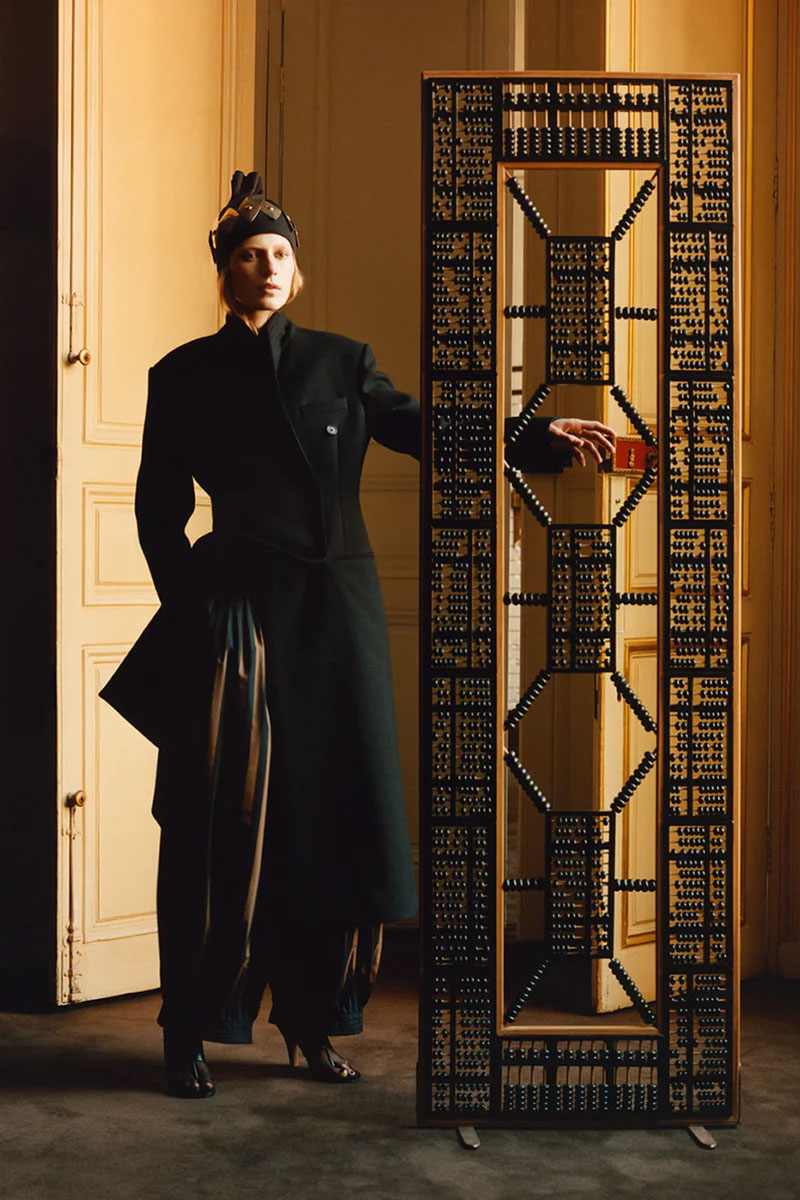
Price is another chapter in the narrative. Positioned at the very top of modern high-end fashion, The Row sees its ready-to-wear garments often climbing to the thousands, while add-on items sit in a similarly rarefied bracket. Such price structure reinforces exclusivity, but it also reflects authentic costs behind the scenes: textiles procured from Italian and Japanese mills, handcrafted finishing touches, and small production runs that steer clear of the overstock cycles frequently seen among larger houses.
Where the Brand’s Reputation Really Lives: The Bags
While outerwear established The Row’s initial critical standing, the bags are the thing that ushered the brand into widespread cultural recognition. Online search activity around “the row bags,” “row handbags,” and “the row handbags” has climbed consistently as stylists, editors and everyday shoppers alike came to view particular designs as generational investments instead of seasonal purchases.
The Margaux is the obvious centerpiece. Introduced in the mid-2010s, it became one of those rare bags that transcended its own category — praised for slouchy, structureless leather that looked expensive precisely because it wasn’t trying to look like anything else. Shoppers searching “where to buy The Row Margaux bag” are usually met with long waitlists at flagship stores and select luxury retailers, because production is intentionally limited. That scarcity is not a marketing trick so much as a byproduct of the brand’s small-batch manufacturing philosophy.
The house’s tote silhouettes, apart from the Margaux, have built up equally loyal fans. The Row’s tote lineup tend to favor exaggerated scale, minimal hardware, and leather intended to soften and take on personality through wear rather than stay pristine. Unlike bags built to appear unchanged no matter how long they’ve been carried, these pieces are built to transform with wear. For anyone forming a “row bags overview” before shopping, it helps to know the house typically splits its bag offerings into structured top-handles, slouchy shoulder bags, and large-scale totes — three categories that encompass most of what’s considered the top row bags by resale value and editorial mentions.
Comparing The Row’s Signature Bag Families
For those unsure where to begin, it’s worthwhile to line up the major bag families together. The comparison below reflects broad traits observed across shopping and resale marketplaces rather than set prices, since availability and cost shift with new drops and resale demand.
| Bag Style | Overall Form | Best For | Buyer Interest |
|---|---|---|---|
| Margaux | Relaxed, semi-structured tote shape | Everyday luxury, work-to-weekend use | Extremely high; frequent waitlists |
| Oversized styles of The Row Tote | Oversized tote with pared-back hardware | Travel, office, capsule wardrobes | High; consistent reseller interest |
| Top-handle styles | Structured, compact | Dressier events, evening wear | Moderate; more niche but steady |
| Designs in shoulder bag form | Loose, softly shaped | Regular, low-key daily use | Strong; popular among minimalist-leaning shoppers |
What the table doesn’t fully capture is resale behavior. Several of these styles hold their worth unusually well compared to competing luxury brands, which is part of why searches for “best row bags” often steer people toward resale sites and consignment shops rather than just first-hand retail channels. Scarcity paired with a recognizable aesthetic results in a genuinely defensible resale market — something not every luxury label can pull off.
How The Row Ready-to-Wear Positions Itself in 2026
Heading into 2026, The Row’s broader ready-to-wear line continues to expand cautiously — tailored trousers, cashmere knitwear, and minimalist outerwear remain the backbone, with the odd footwear or jewelry addition that adhere to the same restrained approach. The brand has resisted the collaboration cycle that so many contemporaries lean on for relevance, and it keeps refusing to lean heavily into social media marketing the way most fashion houses now do as standard practice.
That restraint has, paradoxically, kept it relevant. The Row fashion is regularly mentioned in end-of-year “quiet luxury” lists not because it shifted to follow a trend, but because the trend eventually aligned with what the brand had already been doing since 2006. Retailers report that interest surges around major fashion weeks and awards season, when editors and stylists put Row pieces on front rows and red carpets, solidifying the label’s identity without a single paid placement.
Row Sale Events and How Shoppers In Practice Buy In
With price points like these, many shoppers bide their time for a row sale as opposed to buying at full retail, and this has become something of a seasonal tradition. Given that The Row hardly ever cuts prices on its own platforms, the majority of markdowns take place at approved multi-brand stockists during their broader seasonal markdown periods, plus targeted stock clearance on consignment and resale platforms. Buyers seeking discounted the row bags should plan on seeing prior-season colorways and sizing rather than current-season releases, since the latest pieces seldom go on sale fast.
Waiting it out tends to work in buyers’ favor here. Given how limited production runs are, marked-down pieces get snapped up in no time, and popular sizes in bags like the Margaux seldom survive a full sale window. Buyers serious about landing a discounted piece typically keep an eye on more than one retailer as opposed to counting only on the brand’s direct site, since third-party platforms often apply discounts sooner.
What Keeps the Appeal Alive
The Row’s ascent reveals something larger about where high-end shoppers have shifted. Following an extended period of maximalist, logo-heavy status signaling, a sizable segment of buyers started placing worth on going unnoticed — pieces that speak to those who recognize them, without shouting, instead of announcing cost to the wider world. The Row never ran after that trend; it just continued doing what it first began in 2006, and the broader culture gradually aligned with those same values.
Whether the entry point is a single tote, a waitlisted Margaux, or a full wardrobe built slowly over years, what the brand fundamentally offers hasn’t shifted: fewer, better things, made without much noise. Holding to that promise at scale isn’t easy, and it’s exactly why The Row still sits nearly alone atop the quiet-luxury hierarchy heading into 2026.